
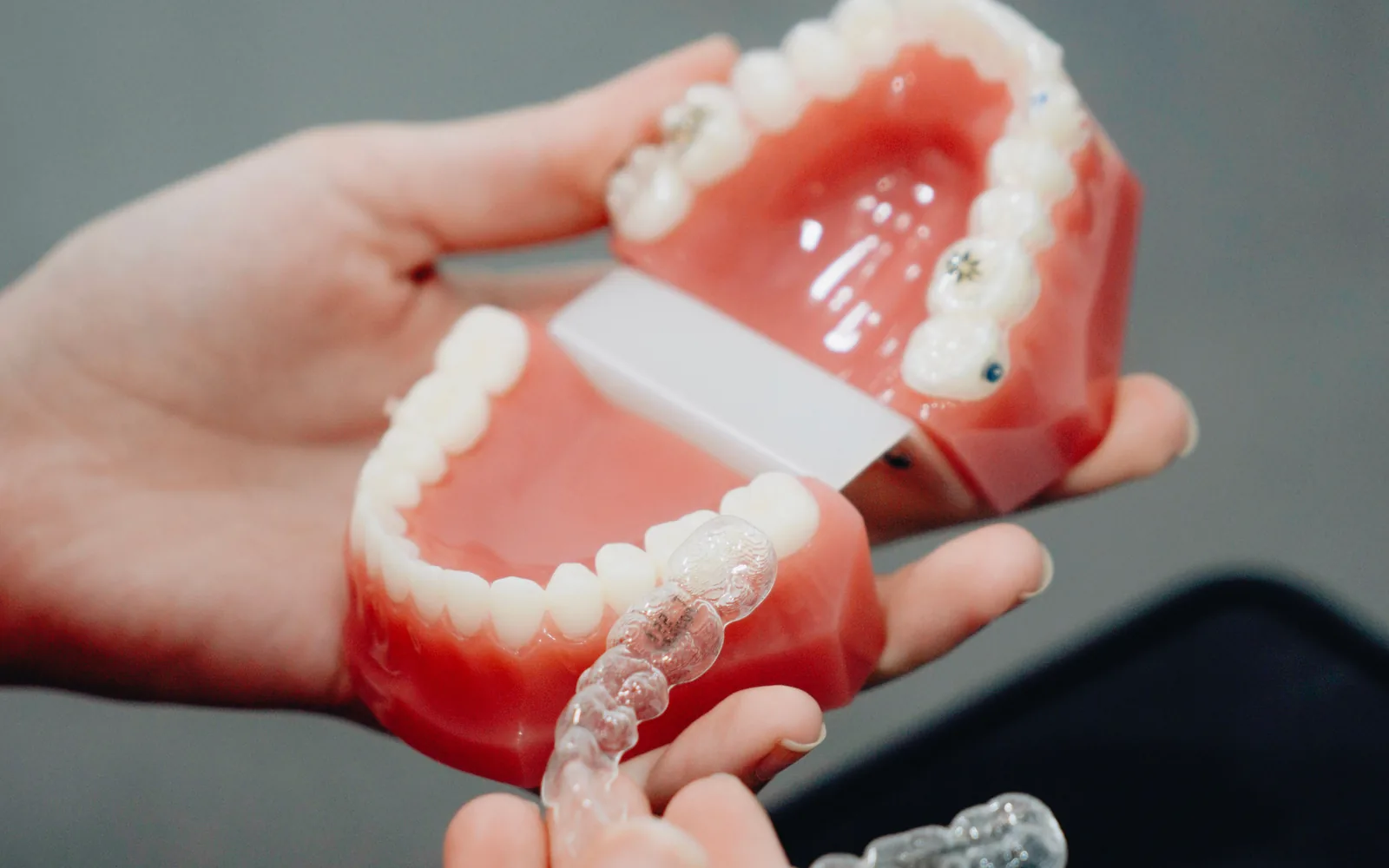
A practical orthodontic resource centre
Orthodontic treatment is easier to navigate when patients understand what happens before, during and after active treatment. This resource centre brings together the information most families ask for: preparing for the first visit, comparing appliances, understanding costs and insurance, responding to minor appliance problems and protecting the result with retainers.
Use these pages as a reference, not as a substitute for advice that is specific to your treatment. Instructions given by your orthodontic team should take priority because appliance types, treatment stages and individual risks can differ.
Before your first orthodontic visit
The first consultation is the right place to describe what you would like to change, what concerns your dentist may have raised and what practical factors matter to you. Bring relevant insurance information and, if you are transferring treatment, any records that are available. You do not need to decide between braces and Invisalign before the appointment.
Read what to expect at your first orthodontic visit.
Choosing between braces and clear aligners
Appearance is only one consideration. Braces are fixed, highly versatile and do not depend on daily wear decisions. Clear aligners are removable and discreet but require consistent wear and careful management. Complexity, bite correction, lifestyle and treatment goals all influence the recommendation.
Compare braces and Invisalign.
Costs, financing and insurance
Orthodontic treatment fees depend on the scope and complexity of care. Patients should understand the total proposed fee, what it includes and what payment arrangements are available before treatment begins. Insurance benefits also vary by plan and may include lifetime maximums or eligibility limits.
Review costs and financing and orthodontic insurance information.
Living with braces
Good oral hygiene becomes especially important with fixed appliances because plaque can collect around brackets and wires. Brush carefully around the gumline and appliance surfaces, use any recommended interdental tools and follow food guidance intended to reduce broken brackets. Contact the office if a wire is persistently irritating or an appliance is damaged.
Living with Invisalign
Clear aligners need to be worn according to the prescribed schedule. Remove them for meals and most drinks, clean the teeth before reinsertion whenever practical and keep aligners in their case when they are not being worn. Hot water can distort the material. If an aligner is lost or no longer fits correctly, contact the orthodontic team for case-specific instructions.
Orthodontic emergencies and minor problems
Many orthodontic issues are uncomfortable or inconvenient rather than true medical emergencies. A loose bracket, poking wire or lost aligner often has a straightforward next step, but the correct response depends on the appliance and treatment stage.
See our orthodontic emergency guide.
Retainers and long-term stability
Active treatment does not permanently freeze teeth in place. Retainers help control post-treatment movement and are an important part of protecting the result. Wear schedules can change over time, so follow the instructions supplied for your case and bring concerns about fit or breakage to the orthodontic office.
Learn about orthodontic retainers.
Understanding common orthodontic conditions
Our condition guides explain crowding, spacing, overbite, underbite and crossbite in plain language. These pages help patients understand terminology but do not diagnose the cause of a bite problem. A specialist examination is necessary before deciding whether treatment or observation is appropriate.
Browse orthodontic condition guides.
Transfer patients and second opinions
If you are already in treatment and moving to Surrey, transfer care requires a fresh assessment of the current appliance, progress and remaining objectives. Records from the previous orthodontist are useful when available. Patients who are unsure about a proposed plan can also seek a second opinion before committing to treatment.
Transfer treatment information and orthodontic second opinions are available here.
Where treatment is provided
SurreyCentralBraces.com serves Surrey Central and Central City families. All orthodontic procedures are performed at our Guildford flagship location approximately five minutes away, where the orthodontic team and dedicated treatment facilities are based. We have proudly served the Surrey Central and Central City community for more than 20 years.
Questions to ask during orthodontic treatment
Useful questions include what the current treatment objective is, whether progress is on schedule, how often elastics or aligners should be worn, what to do if an appliance breaks and what retention will involve at the end. Patients should also ask when they are unsure whether a symptom is normal. Clear questions make appointments more productive and reduce uncertainty between visits.
For parents, it can be helpful to ask which responsibilities belong to the child or teenager and which need parental support. For adults, questions about restorative dentistry, work travel, oral hygiene and insurance may be more relevant.
How to use this resource centre
Start with the page that matches your immediate question, then follow the internal links to related topics. If information on the website conflicts with instructions given specifically for your appliance or treatment stage, follow the instructions from your orthodontic team and contact the office for clarification.
The resource library will continue to expand as the site grows, including additional condition guides and local information for Surrey Central and surrounding communities.